
How it's made
Tea. Culture. Seasonal fruit. Time.
WHAT FOR? begins with brewed tea, cane sugar and a kombucha culture. After a controlled fermentation, whole seasonal fruit goes in and the brew does the rest. No artificial fruit colours, no added preservatives.
- Whole-leaf tea
- Cane sugar
- Live culture
- Whole fruit
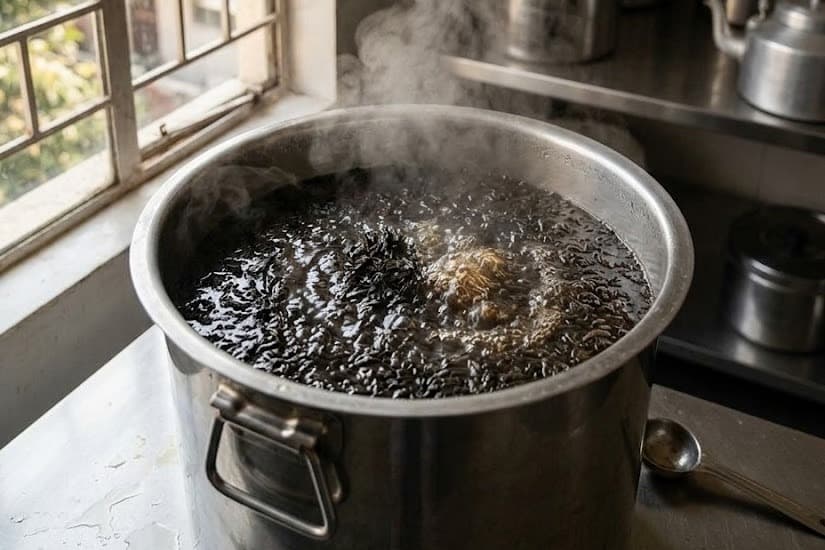

The four steps · 01 / 04
Brew the tea
Whole-leaf tea and cane sugar in filtered water, brewed properly before anything else happens. The sugar is food for what comes next.
What for? For the fruit. Not the flavouring.
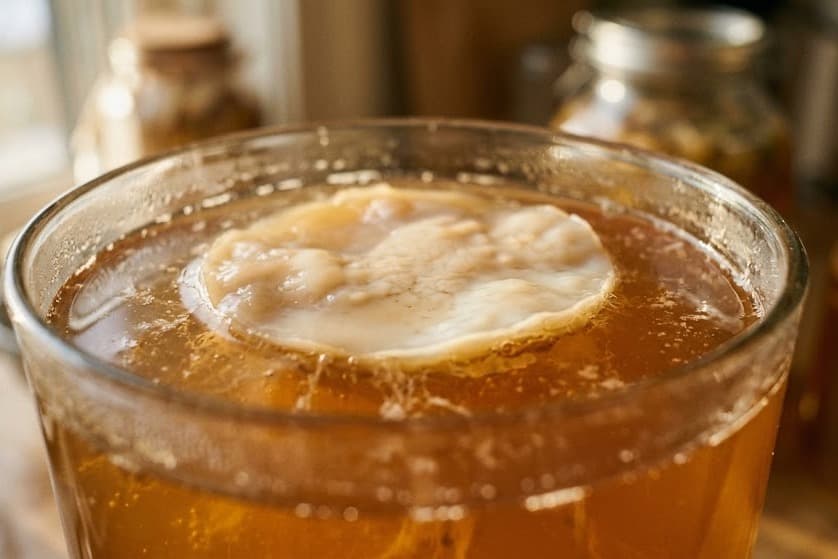
The four steps · 02 / 04
Add the culture
Once the tea has cooled, starter kombucha and the culture go in. The sweet tea starts to turn sour, and the culture eats most of the sugar on the way.
What for? For the fruit. Not the flavouring.
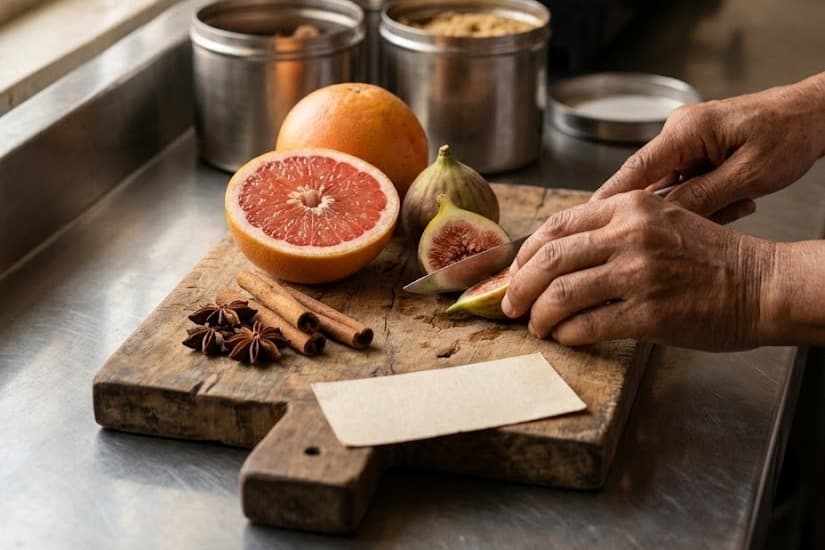
The four steps · 03 / 04
Add the fruit
Whole seasonal fruit, into the fermented tea. The fruit and the living culture work on each other, and the flavour, colour and aroma develop in the brew itself.
What for? For the fruit. Not the flavouring.
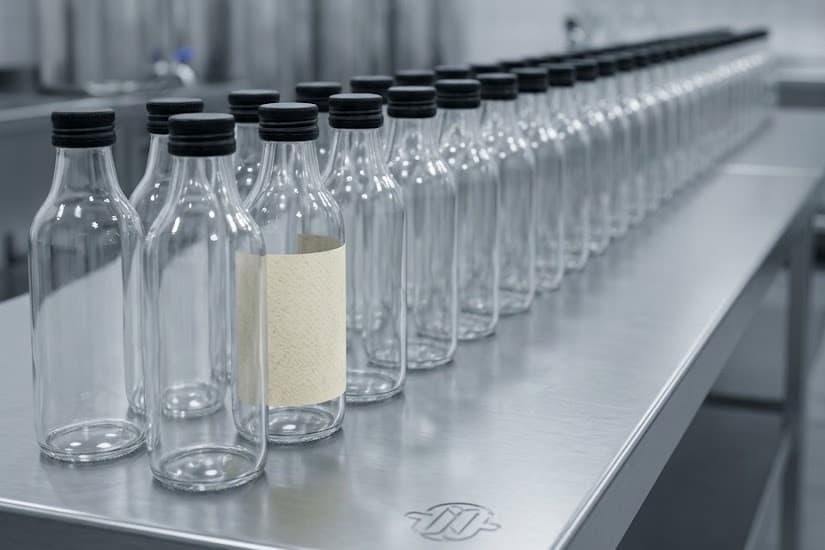
The four steps · 04 / 04
Bottle it cold
Into 250 ml glass under a black crown cap, then straight to the fridge. It is never pasteurised, so it stays cold from here to your door.
What for? For the fruit. Not the flavouring.
Ingredients
Eight lines. Two of them are what we leave out.
Everything on the label, and nothing that isn't.
- Filtered water
- Carefully selected tea
- Cane sugar used during fermentation
- Kombucha starter culture
- SCOBY
- Real seasonal fruit
- No artificial fruit colours
- No added preservatives
The brew, in order
Seven things happen. None of them are rushed.
- Tea is brewed in filtered water.
- Cane sugar is added to feed the fermentation culture.
- Starter kombucha and SCOBY are introduced after cooling.
- The tea undergoes controlled fermentation.
- Real seasonal fruit is added.
- Flavour and natural carbonation develop.
- The finished product is bottled in 250 ml glass bottles and refrigerated.
How flavour happens
We don't add flavour. We add fruit.
Every WHAT FOR? begins as the same live brew. Flavour isn't poured in at the end; real fruit goes into the fermented tea and the fruit and the culture react with each other.
- 01One living base
Every flavour starts as the same fermented tea. Nothing about the base changes between flavours.
- 02Real fruit goes in
Whole seasonal fruit is added to the fermented brew. No syrups, no flavouring compounds, no artificial colour.
- 03The brew reacts
The fruit and the live culture work on each other over time. What you taste is what the batch produced.
- 04Bottled when it is ready
The batch is followed while it develops and goes into glass only when it has arrived.
Batch care
Every batch is watched.
Small batches can be followed one at a time. Each brew is checked as it develops and nothing is bottled early to meet a number. If a batch isn't right, it doesn't go out.

Questions people actually ask
Go on, then.
What does “living” actually mean?
Nothing was heated to kill it. The tea, the culture and the fruit went in, fermented, and got bottled as they were.
Is it sweet?
Tart first. Cane sugar goes in for the culture, and the culture eats most of it. What's left is the fruit.
Why does the range keep changing?
Because the fruit does. We brew two flavours at a time and sell them while the fruit is good. When the season turns, the range turns.
What for?
For tasting the difference.
Two flavours in season, brewed exactly like this.
